

Uttarakhand winter tourism
PM Modi speech
Adi Kailash marathon
Year-round Himalayan tourism
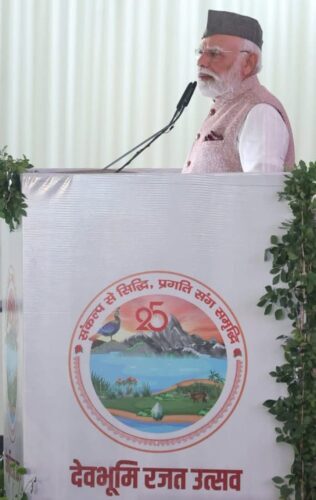
On a bright November morning in Dehradun, Prime Minister Narendra Modi stood before a crowd gathered to celebrate a pivotal moment in Uttarakhand’s transformation. In his speech on November 9, 2025, he expressed profound optimism about the state’s burgeoning winter tourism—a sector that had long remained underutilized amid the hills and snow-capped peaks. Prime Minister Narendra Modi remarked that “Uttarakhand is giving a new dimension to winter tourism,” highlighting the state’s rapid growth in this sector, underlining the sharp rise in winter visitors thanks to improved connectivity and innovative initiatives. Highlighting events like the chilling yet inspiring Adi Kailash Ultra Marathon and the increasing pilgrim footfall at sacred destinations like Kedarnath and Adi Kailash, he portrayed a renewed Uttarakhand poised to embrace tourists year-round with spiritual depth, adventure thrills, and cultural vibrancy.
Just a week before this momentous address, the serenity of the Adi Kailash valley was punctuated by the determined footsteps of over 580 runners from across India. At 14,700 feet, battling the sharp chill of minus 12 degrees Celsius and thin Himalayan air, these athletes raced through Gunji, Kalapani, and Jolingkong—remote villages once disconnected from mainstream economic growth. The Adi Kailash Parikrama Ultra Marathon was not merely a test of physical endurance but a celebration of Uttarakhand’s rebirth in winter. Supported by the Indian Army, Indo-Tibetan Border Police, and local officials, the event was a perfect melding of spirituality, local pride, and the untamed beauty of the mountains, signaling new opportunities in adventure and pilgrimage tourism well beyond the summer months.
Guiding this transformation behind the scenes was Dheeraj Garbyal, State Tourism Secretary and a true advocate of responsible, people-centric tourism. His experience working closely with mountain communities had shaped a vision where the benefits of tourism must flow directly to those who call the Himalayas home. “Tourism here should be by the people and for the people,” Garbyal often asserts, and the Ultra Marathon epitomized this belief. Months of meticulous preparation ensured safety and comfort for participants and villagers alike, turning a traditionally quiet winter pilgrimage path into a vibrant hub of cultural celebration and economic vitality. The local populace—women’s self-help groups, schoolchildren, homestay owners—became hosts and cheerleaders, reviving the region’s economy and spirit during what was once a season of economic hibernation.
This marathon, and the wider embrace of winter tourism, mark a sharp departure from Uttarakhand’s past. Historically, the hills thrived on summer pilgrimages and monsoon retreats, falling silent amid winter snows. Hotels shuttered their doors, bazaars emptied, and the mountains, breathtaking but lifeless in winter, returned to deep slumber. However, the pandemic years exposed the fragility of this cycle—spurring administrators and communities to seek sustainable year-round livelihoods through tourism.
Their efforts have borne remarkable fruit. Official figures reveal that from 2022 to 2025, Uttarakhand welcomed 23.46 crore tourists—an unprecedented surge. Crucially, this includes thousands arriving in the so-called off-season months of January and February, filling Auli’s resorts to 95% winter occupancy and energizing homestays in Pithoragarh, Chamoli, and Rudraprayag. More than 6,000 homestay owners reported winter profits for the first time, while ancillary sectors like guiding, transport, and food services found new steadiness. Uttarakhand’s tourism sector, which contributes around 4.4% to the state GDP, has transitioned from seasonal fluctuations to a more consistent economic driver.
These successes are underpinned by robust infrastructural developments and visionary policy support. Under Chief Minister Pushkar Singh Dhami’s leadership, all-weather highways now link remote villages, while expanded air networks bring approximately 4,000 visitors daily—a staggering leap from years past when this number represented six months’ air traffic. A consistent electricity supply throughout winter, the inauguration of winter ropeways at Kedarnath and Hemkund, and the government’s Tourism Entrepreneur Incentive Scheme—offering ₹1 to ₹5 crore grants for local infrastructure—have all helped transform difficult terrain into accessible, welcoming destinations.
Spiritual tourism, central to Uttarakhand’s identity, has also adapted to this new tempo. The Winter Char Dham Circuit enables devotees to visit the shrines of Badrinath, Kedarnath, Gangotri, and Yamunotri during colder months—a feat previously hindered by heavy snowfall and closed pilgrimage routes. The winter altars in Ukhimath and Joshimath see increased footfall, with nearly 17 lakh pilgrims visiting Kedarnath alone this season, evidence of religious continuity reinforced by strategic infrastructure upgrades and management.
The cultural fabric of winter tourism is further enriched by the concept of “Gham Tapo Tourism” introduced by Modi, celebrating the Himalayan sun and encouraging wellness travelers to seek yoga, Ayurveda, and rejuvenation services embraced by these high-altitude environs. The Winter Line Carnival in Mussoorie exemplifies this spirit of communal joy, lighting up streets after months of quietude with music, markets, and dances—an annual testament that winter is now a season of celebration, not retreat.
Through these layered developments, the human dimension pulses strongly beneath the surface. The villagers who once endured winter gloom now bask in the pride and economic upliftment that tourism brings. The Ultra Marathon became a moment of collective triumph, where runners strained and soared, and hosts offered warmth and tradition amidst the Himalayan chill. One marathoner described his experience as “running through the breath of the gods,” a reflection of the profound connection between mountain, people, and pilgrim.
Nevertheless, this growth advances with mindful caution. Recognizing the fragility of the Himalayan ecosystem, officials and experts emphasize sustainable expansion—balancing tourism’s promise with environmental preservation. Multi-sector dialogues and rigorous ecological monitoring accompany the opening of adventure sports and trekking routes, ensuring that Uttarakhand’s natural heritage endures alongside its economic progress.
Uttarakhand’s journey also resonates on a broader stage, paralleling other mountain tourism hubs like Himachal Pradesh, and international destinations such as the Swiss Alps, which successfully marry winter sports, spa retreats, and cultural festivals. What differentiates Uttarakhand, however, is its seamless fusion of adventure with spirituality, deep-rooted local participation, and a governance model imbued with ecological sensitivity and respect for tradition.
As dusk falls over the majestic Himalayas, the echoes of the Ultra Marathon linger—whispers of a mountain awakening and a community transformed. Winter in Uttarakhand has shed its former stillness and now pulses with newfound vigor, promise, and pride. In this season once marked by absence, the mountains tell vibrant stories again—of resilience, unity, and enduring faith.
For any concerns or corrections, please contact the editor at ingindia22@gmail.com.